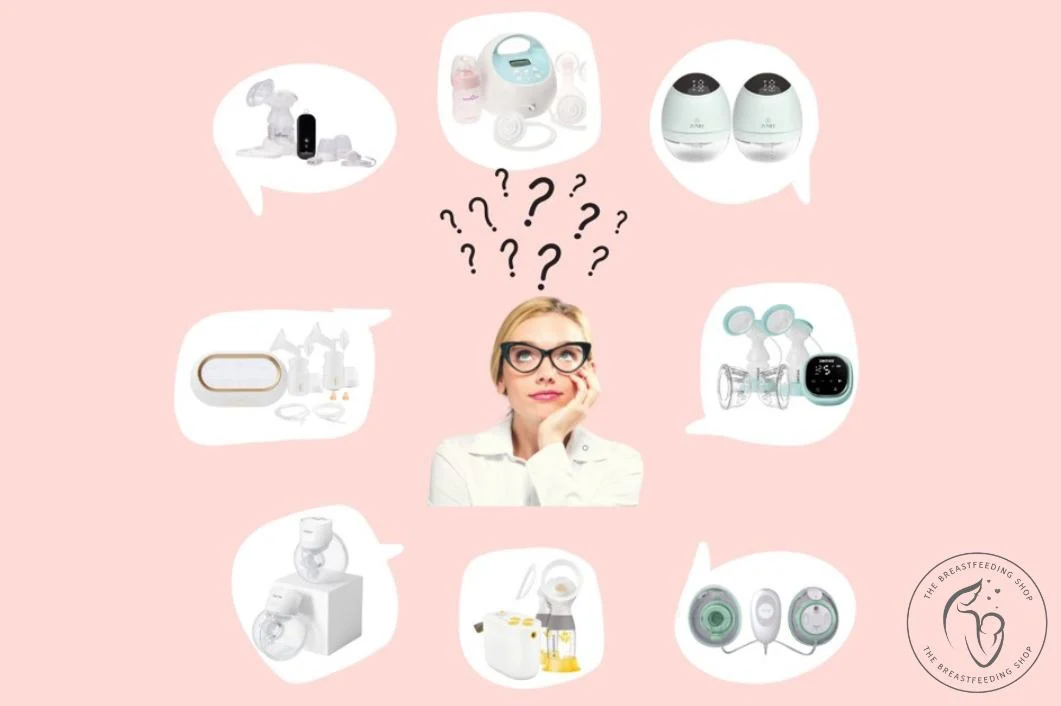


So you’ve decided you want a hands-free breast pump, but the options are overwhelming. Where do you start? Wearable pumps are easy to carry and comfortable, and they let you pump while doing something else, which is something any mom can appreciate. Here is what wearable, hands-free, portable and cordless really mean, how the wearables we carry compare, which one suits your day, and what each one costs through insurance.
What is a hands-free breast pump?
A hands-free breast pump is any pump you don’t have to hold. The flanges stay in place on their own, usually inside your bra, so your hands are open while you pump. It is also called a handless breast pump or a no-hands pump. Every hands-free pump we carry is a double breast pump, so you pump both sides at once.
Four words get used almost interchangeably, but they mean different things:
| Term | What it means | Examples we carry |
|---|---|---|
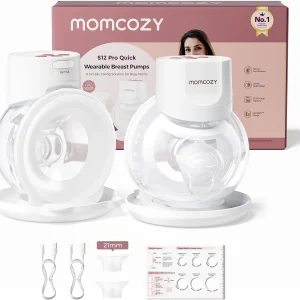
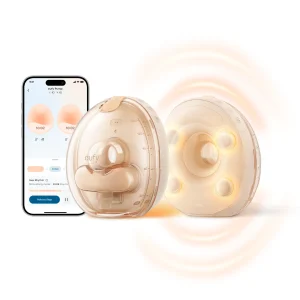
| Wearable | The whole pump, motor and milk cup, sits in your bra. No tubes, no cords, nothing hanging off you. | Zomee Fit, Momcozy S12 Pro Quick, eufy S2, Willow Go, Elvie Pump |
| Hands-free | You don’t hold anything. Covers wearables plus pumps with soft collection cups in your bra and a small motor on a clip or lanyard. | All wearables, plus Elvie Stride, Medela Freestyle Hands-free, Zomee Z2 with hands-free cups |
| Portable | Small and battery powered, so you can pump away from an outlet. Not every portable pump is hands-free: many still use bottles you hold. | Zomee Z2, Spectra S1 Plus, plus every wearable |
| Cordless or wireless | Runs on a rechargeable battery. “Wireless” often also means no tubes, which is a wearable. | Every pump in this guide |
So every wearable is hands-free, portable and cordless, but not every portable pump is hands-free. If you want nothing on the table and nothing to hold, you want a wearable. If you want stronger, more adjustable suction and don’t mind a small motor clipped to your waistband, a hands-free cup system is the middle ground. The Breast Pumps guide covers the other pump types.
Wearable breast pumps we carry, compared
These are the wearable and hands-free pumps you can order through us today. Suction, capacity and battery are each maker’s own published figures. The cost column is what moms paid through insurance across the plans we work with, from the lowest plan to the highest. Your own cost depends on your plan, and not every plan offers every pump.
| Pump | Max suction | Per cup | Battery | App | Cost with insurance |
|---|---|---|---|---|---|
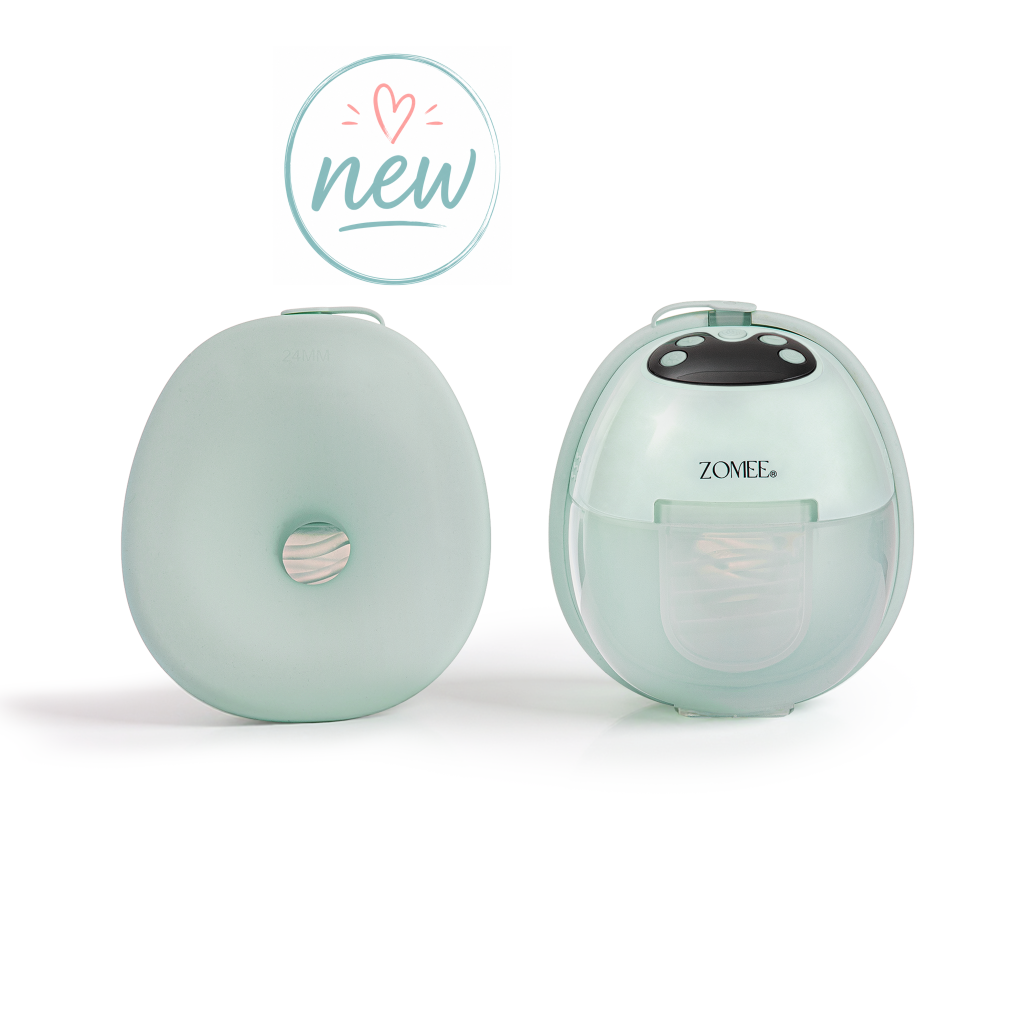
| Zomee Fit | 280 mmHg | 6 oz | About 150 min | No | $0 on our plans |
| Zomee Mother’s Nature W1 | 300 mmHg | 6 oz | About 120 min | No | $0 on our plans |
| Lansinoh DiscreetDuo Flow | 280 mmHg | 6 oz | Up to 200 min | No | $0 on our plans |
| Motif Aura Glow | 280 mmHg | 6 oz | About 90 min | No | $0 to $62 |
| Ardo Melia | 260 mmHg | 6 oz | About 135 min | No | $0 to $82 |
| Momcozy S12 Pro Quick | 292 mmHg | 7 oz | About 240 min | No | $0 to $100 |
| Momcozy M5 Smart | 285 mmHg | 5.4 oz | About 180 min | Yes | $0 to $120 |
| Momcozy W1 | 295 mmHg | 6 oz | About 300 min | Yes | $0 to $215 |
| eufy S1 | 300 mmHg | 5 oz | About 5 sessions | Yes | $0 to $145 |
| eufy S1 Pro | 300 mmHg | 5 oz | About 120 min, plus charging case | Yes | $0 to $225 |
| eufy S2 | 300 mmHg | 5 oz | About 390 min | Yes | $0 to $225 |
| eufy S2 Pro | 300 mmHg | 5 oz | About 390 min, plus charging case | Yes | $50 to $250 |
| Willow Go | 295 mmHg | 5 oz | Up to 8 sessions | Yes | $84.99 to $279.99 |
| Willow 360 | 245 mmHg | 4 oz | Up to 5 sessions | Yes | $216.99 to $416.99 |
| Elvie Pump | 220 mmHg | 5 oz | About 150 min | Yes | $195 to $455 |
| Elvie Stride (cups + hub) | 300 mmHg | 5 oz | About 5 sessions | Yes | $0 to $129 |
| Medela Freestyle Hands-free (cups + hub) | 245 mmHg | 5 oz | About 120 min | Yes | $47 to $252 |
| Zomee Z2 with hands-free cups (cups + motor) | 300 mmHg | 8 oz | About 120 min | No | $0 to $75 |
Want to line these up against tabletop and portable pumps too? The breast pump comparison chart has every pump we carry, with modes, warranty and what makes each one stand out.
Which wearable breast pump is best for you?
There is no single best hands-free breast pump. The best one is the one that fits your body, your day and your plan. Here is how the wearables we carry sort out by what moms ask us for most.
Covered in full on many plans
If you want a wearable with no upgrade fee, start here. These three were $0 out of pocket on every plan we work with when we checked.
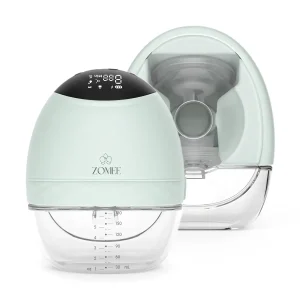
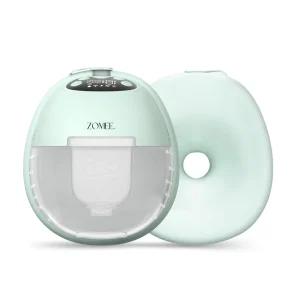
- Zomee FitAn in-bra pump with a fullness sensor that pauses at 4, 5 or 6 oz, and a Nipple Correction mode for flat or inverted nipples.Covered by most plans
- Zomee Mother’s Nature W1Zomee’s premium wearable, with a warming breast shield to help your milk let down and 300 mmHg of suction.Covered by most plans
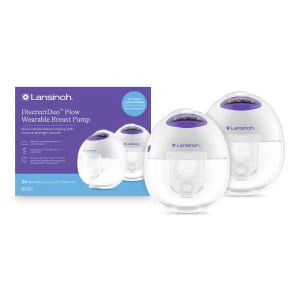
- Lansinoh DiscreetDuo FlowContoured cups, four modes and a built-in night light for early feeds.Covered by most plans
For working moms and long days
Battery life and how fast you can empty and wash the cups matter most when you pump two or three times a shift. The Momcozy S12 Pro Quick runs about 240 minutes on a charge and has just four parts to wash per side. The eufy S2 runs about 390 minutes, so it can last several sessions between charges, and adds massage and warming. The Elvie Stride keeps the motor on your waistband, which makes the cups in your bra lighter, under 5 oz each. For more on pumping during the workday, see our tips for breastfeeding at work.
- Momcozy S12 Pro Quick7 oz cups, about 240 minutes per charge, and a flange cover that doubles as a stand on your desk.Covered by most plans
- eufy S2About 390 minutes of battery, app control, and massage plus warming to help with letdown.Covered by most plans
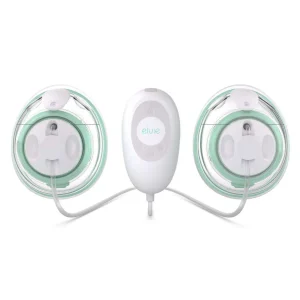
- Elvie StrideLight cups in your bra, a small hub on your waistband, and hospital-strength 300 mmHg suction.Covered by most plans
Quietest for meetings and calls
Most wearables are a soft hum, around 46 dB or below by their makers’ figures (the Zomee Fit, Momcozy S12 Pro Quick and eufy S1 are all rated there). The Elvie Pump is the quietest we carry at 32 dB in Elvie’s own testing, and the Elvie Stride is listed at 36 dB. A quiet hands-free breast pump matters most if you pump in a shared office or on video calls.
Warming and massage for letdown
Some moms find warmth or a massage rhythm helps milk start flowing. The Zomee W1, Momcozy W1, eufy S1, S1 Pro, S2 and S2 Pro have built-in warming, and the Momcozy W1 and both eufy S2 models add massage.
App control and tracking
If you like to change settings from your phone and track every session, look at the Elvie Pump and Elvie Stride, the Willow Go and Willow 360, the eufy models, the Momcozy M5 Smart and Momcozy W1, or the Medela Freestyle Hands-free. The Zomee, Lansinoh, Motif and Ardo wearables use buttons on the pump instead, which some moms prefer.
For exclusive pumping or building a stash
A hands-free cup system gives you a stronger, more adjustable motor while still keeping your hands open. The Zomee Z2 with hands-free cups holds 8 oz per cup and comes with a bottle kit for when you are sitting down to pump. The Medela Freestyle Hands-free pairs a pocket-size motor with see-through cups.
The pumps from our original list
When we first wrote this post, these were the hands-free options moms asked us about most. Here is where each one stands today. Torn between the two best-known names? See Elvie vs. Willow below.
Elvie
The Elvie Pump fits right inside your bra and is one of the quietest wearables made, at 32 dB in Elvie’s testing. It has 7 intensity levels, an app with live milk tracking, and it stops on its own when the 5 oz bottle is full. It is a premium pump: through insurance it costs $195 to $455 depending on your plan.
Elvie Stride
The Elvie Stride is a hands-free pump you wear under your clothes, with light cups in your bra and a small hub on your waistband. It has 2 modes and 10 intensity levels, up to 300 mmHg of suction, and an app to control it remotely, save your settings and track your pumping history. Many plans cover it in full; others add a fee of up to $129.
Willow
The original Willow is now the Willow 360: an all-in-one pump that fits in your bra and pumps in any position into spill-proof milk bags. The Willow app keeps real-time tabs on your sessions. Through insurance it costs $216.99 to $416.99, depending on your plan.
Willow Go
The Willow Go is Willow’s lighter-priced wearable, with up to 295 mmHg of suction, 15 levels, app control, and reusable containers so you don’t need milk bags. It fits right into your bra and stays quiet enough for pumping on the go. Plans add an upgrade fee of $84.99 to $279.99.
Elvie vs. Willow: which is better?
Both are all-in-one wearables that fit in your bra with no tubes or cords, and both work with an app that tracks your sessions. The real differences:
- Quiet: Elvie. The Elvie Pump is 32 dB in Elvie’s testing, one of the quietest pumps made, and slim enough that many moms don’t need a pumping bra.
- Pumping in any position: Willow. The Willow 360 is built to pump without spilling even when you lean or bend, into sealed milk bags or a reusable container. With the Elvie, stay fairly upright and lean forward before you take it off.
- Milk bags or bottles: the Elvie Pump collects into reusable 5 oz bottles, so there is nothing to keep buying. The Willow 360 uses 4 oz bags or containers, and the Willow Go uses reusable 5 oz containers with no bags needed.
- Suction: the Willow Go reaches up to 295 mmHg and the Elvie Stride up to 300 mmHg, more than the Elvie Pump (about 220 mmHg) or the Willow 360 (245 mmHg).
- Cost with insurance: the Elvie Stride is the easiest on the budget, $0 on many plans and up to $129 on others. Then the Willow Go ($84.99 to $279.99), the Elvie Pump ($195 to $455) and the Willow 360 ($216.99 to $416.99).
Short version: pick the Elvie Pump if quiet matters most, the Willow 360 if you pump on the move, and the Elvie Stride or Willow Go if you want strong suction for less. Both brands have moms who swear by them, and we’re happy to help you choose.
Freemie
The Freemie, with soft cups in your bra and a small pump on your hip, is no longer offered. If you liked that setup, the Zomee Z2 with hands-free cups and Medela Freestyle Hands-free work the same way.
Wearable vs. traditional breast pump: the tradeoffs
A wearable gives you freedom. A traditional double electric pump, with a motor on the table and tubing to the flanges, usually gives you more control. Here is what to weigh.
- Output. Many moms get less milk from a wearable than from a traditional pump, and some get about the same. Lactation consultants often suggest a traditional double electric as your main pump in the early weeks, while your supply is being built, and whenever you pump exclusively, then adding a wearable once your supply is established.
- Fit. In a wearable you can’t see your nipple in the flange while you pump, so a wrong size is easier to miss. More on sizing below.
- Capacity. Most wearable cups hold 5 to 7 oz. If you often pump more than that per side, you will need to stop and empty them, or use a cup system with larger cups.
- Leaks and position. Most in-bra cups need you to stay fairly upright and lean forward before you take them off. The Willow 360 is the exception, built to pump in any position.
- Cleaning. Most wearables have 4 to 5 small parts per side to wash. Cup systems add tubing.
- Weight. In-bra pumps put the motor on your chest. They range from under 5 oz per cup (Elvie Stride’s cups) to about 8 to 11 oz per cup for some all-in-one wearables.
Many moms we talk to end up using both: a wearable for the commute, meetings and bedtime routines, and a traditional pump when they can sit down. Ask a lactation consultant if your output drops after you switch.
Getting the fit right in a wearable
A flange that is too small or too large can make pumping painful and leave milk behind. Your nipple should move freely in the flange tunnel with a little space around it. Since you can’t watch that in a wearable, measure first with the sizing ruler or card most wearables include, then check after a few sessions: pinching, rubbing, or breasts that still feel full are signs to try another size.
Most wearables come with one flange size and a few inserts. The eufy wearables come with 24 mm flanges and 17, 19 and 21 mm inserts. The Zomee Fit includes 25 mm shields with 21 and 17 mm inserts. The Momcozy S12 Pro Quick comes with 24 mm flanges and a 21 mm insert, with smaller inserts sold separately. Your size can change over the months you pump, so measure again if pumping starts to feel different.
Hands-free pumping bra: the other way to go hands-free
If you already have a traditional pump, a hands-free pumping bra may be all you need. It holds the flanges and bottles in place so you can type, read or eat while you pump. The Lilu Massage Bra goes a step further: it holds your bottles and adds massage cushions that follow the motions lactation experts recommend, run from a small rechargeable controller.
A pumping bra keeps your pump’s full power and bigger bottles, but you are still connected to the motor by tubing. Wearables and cup systems don’t need a special bra at all: a snug, supportive nursing bra holds them in place.
Does insurance cover a wearable breast pump?
Most health plans must cover a breast pump under federal rules, and many plans cover wearables. What changes from plan to plan is which pumps are covered in full and which carry an upgrade fee. An upgrade fee is the difference you pay when you pick a premium pump over the pump your plan covers in full.
- $0 on every plan we work with: Zomee Fit, Zomee Mother’s Nature W1, Lansinoh DiscreetDuo Flow.
- $0 on many plans, a fee on others: Motif Aura Glow (up to $62), Zomee Z2 with hands-free cups (up to $75), Ardo Melia (up to $82), Momcozy S12 Pro Quick (up to $100), Momcozy M5 Smart (up to $120), Elvie Stride (up to $129), eufy S1 (up to $145), Momcozy W1 (up to $215), eufy S1 Pro and S2 (up to $225).
- Always an upgrade fee: Medela Freestyle Hands-free ($47 to $252), eufy S2 Pro ($50 to $250), Willow Go ($84.99 to $279.99), Elvie Pump ($195 to $455), Willow 360 ($216.99 to $416.99).
These ranges come from the fees on the plans we work with in November 2026 and can change. You don’t have to guess: choose your state and insurance on our homepage or order form and we show every pump you qualify for with your exact cost before you order. We request the prescription from your doctor if you don’t have one, and most plans let your pump ship about 30 days before your due date.
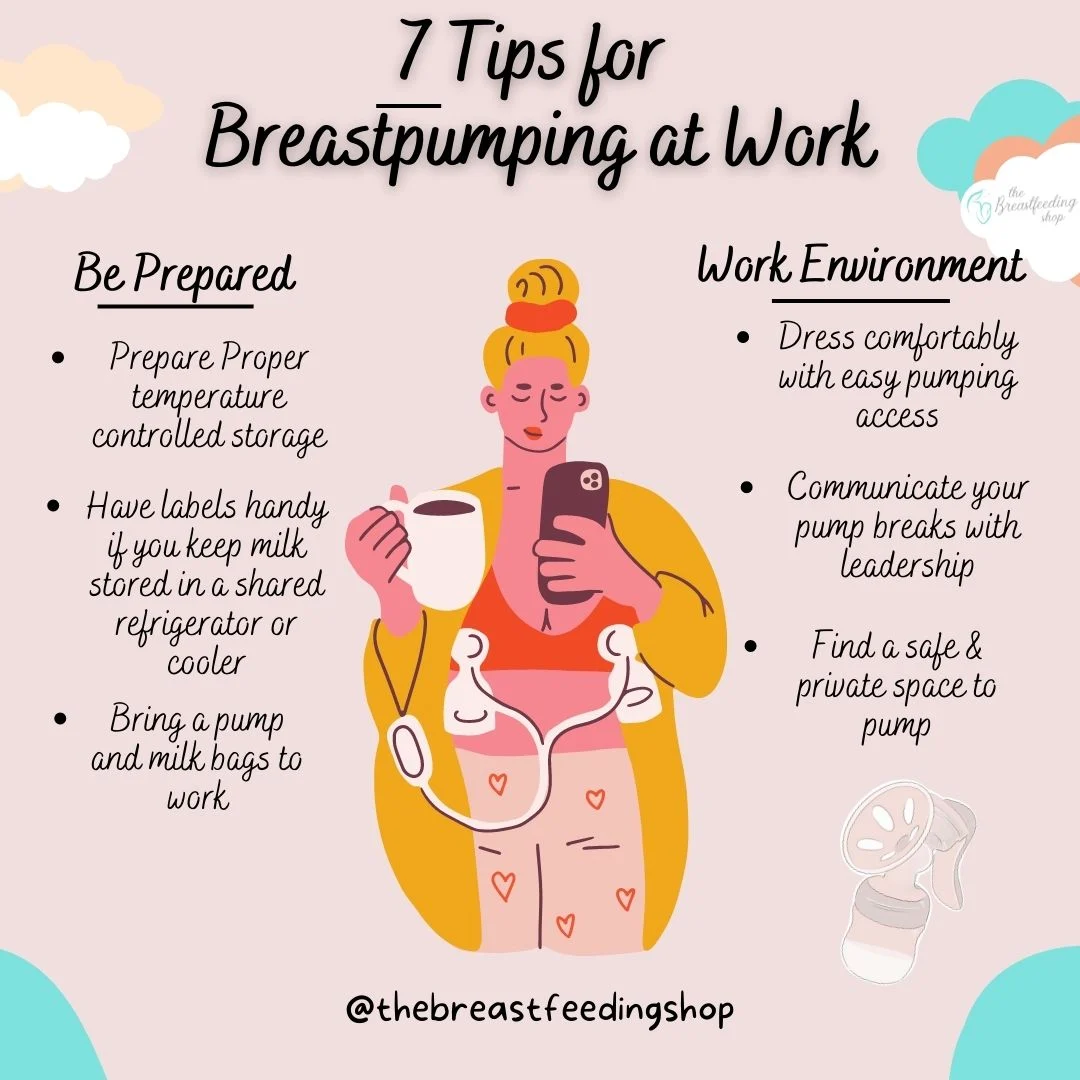
Tips for breast pumping on the go
- Charge every night. Even long-running pumps run out on the day you forget. Keep a spare cable at work or in the car.
- Wear a top that opens easily. A button-down, wrap or nursing top makes it easier to put cups in and take them out.
- Lean forward to remove the cups. It keeps milk from spilling out of the spout.
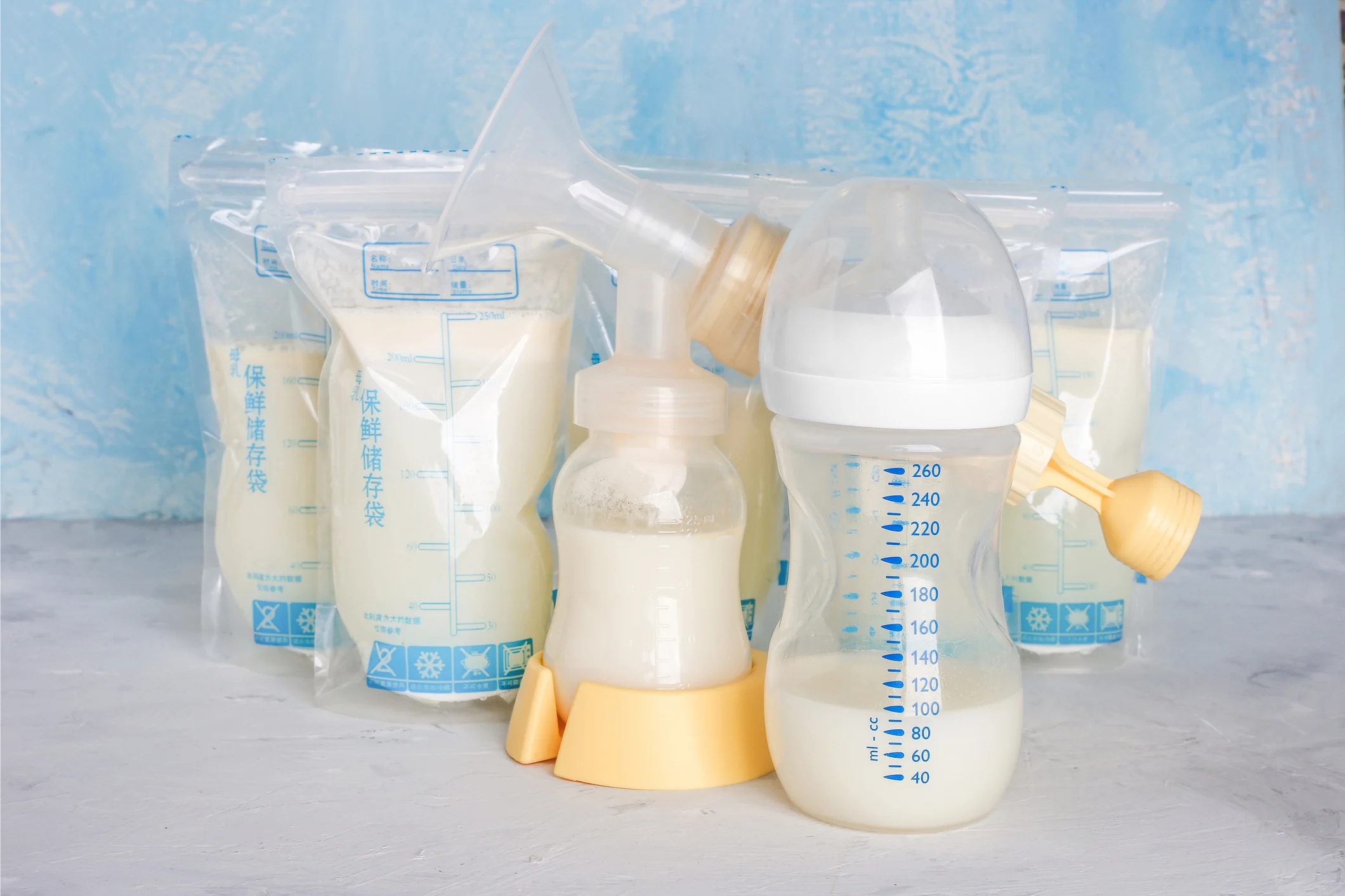
- Bring a cooler. Freshly pumped milk keeps up to 4 hours at room temperature and up to 24 hours in an insulated cooler with ice packs. See our guide on how to store breast milk.
- Pump in the car only as a passenger, or when you are parked. Don’t let a pump take your attention off the road.
- Know your rights at work. The federal PUMP Act gives most employees reasonable break time and a private place, not a bathroom, to pump for a year after birth.
Questions moms ask about wearable and hands-free breast pumps
What is the best wearable breast pump?
It depends on what matters to you. If you want one covered in full, the Zomee Fit, Zomee W1 and Lansinoh DiscreetDuo Flow were $0 on every plan we work with. For long battery life, look at the eufy S2 or Momcozy S12 Pro Quick. For the quietest pump, the Elvie Pump. Check your coverage to see which ones your plan covers.
Can I get a wearable breast pump through insurance?
Yes, many plans cover wearable pumps. Some are covered in full and some premium models add an upgrade fee. When you check your coverage with us, you see every pump your plan offers and your exact cost before you order.
Are wearable breast pumps as good as regular pumps?
They are great for freedom, but for most moms a traditional double electric pump removes milk more reliably. In the early weeks, while your supply is being built, or if you are exclusively pumping, many lactation consultants suggest a traditional pump as your main pump and a wearable for busy times.
Can I use a wearable breast pump as my only pump?
Some moms do, especially those who also nurse. Watch your output and how your breasts feel after pumping. If you notice your supply dropping, add sessions with a traditional pump and talk with a lactation consultant.
What’s the difference between a wireless and a cordless breast pump?
Cordless means it runs on a rechargeable battery. Wireless usually means no tubes either, so the pump and cup sit in your bra as one piece, which is a wearable. A portable pump is battery powered too, but may still use bottles you hold.
Is there a hands-free double breast pump?
Yes. Every wearable and hands-free cup pump we carry pumps both breasts at once, so you get a double pump without holding anything.
Do wearable breast pumps leak?
Assembled right, they rarely do. Most leaks happen when the cup is too full or when you take it off while leaning back. Stay fairly upright, empty the cups before they reach the top, and lean forward before you remove them.
Sources