
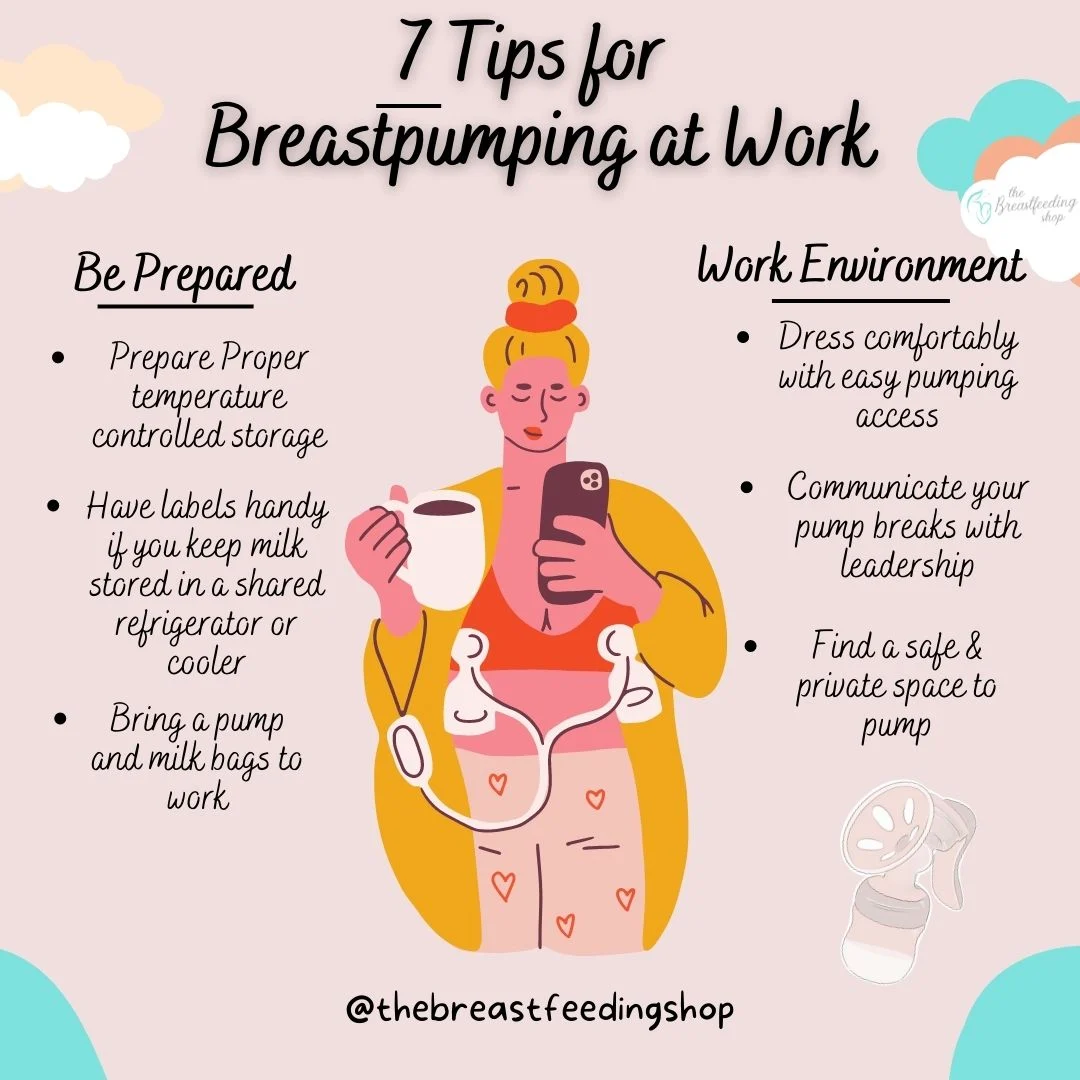
Going back to work while you are still breastfeeding is a big adjustment, but it gets easier fast with a plan. These seven breastfeeding and pumping tips for working moms come from what we hear every day from the moms we help, plus the guidance lactation consultants give.
1. Make a pumping plan before your first day
Start with your baby’s feeding rhythm. While you are apart, try to pump about as often as your baby would eat. That keeps your supply steady and gives your caregiver enough bottles for the next day. Each session usually takes 15 to 20 minutes, plus a few minutes to set up and clean up.
Here is what a typical 8-hour workday can look like:
| Time | What happens |
|---|---|
| 6:30 a.m. | Nurse your baby at home before you leave |
| 10:00 a.m. | First pumping session at work |
| 1:00 p.m. | Second session, often over lunch |
| 3:30 p.m. | Third session on a longer day |
| 5:30 p.m. | Nurse your baby at pickup or at home |
If you can, start pumping and freezing a little extra milk two to three weeks before you go back. A small freezer stash takes the pressure off your first week.
Ask your caregiver to pace bottle feeds: hold the bottle more level and pause often. Slower feeds mean less swallowed air, which helps with crying after feeds and hiccups after feeding.
2. Label and store your breast milk safely
Keep a roll of labels or a marker in your pump bag. Write your name and the date on every bottle or bag, especially if you use a shared fridge, so everyone knows whose milk it is and how long it has been there. Breast milk is food, so it can go in the office refrigerator next to everyone’s lunch.
No fridge at work? A cooler bag with frozen ice packs works for the whole day. These are the CDC’s storage times for freshly pumped milk:
| Where | How long |
|---|---|
| Room temperature (77°F or cooler) | Up to 4 hours |
| Cooler bag with frozen ice packs | Up to 24 hours |
| Refrigerator | Up to 4 days |
| Freezer | Best within 6 months, up to 12 months |
For thawing and warming, see our guide on how to store breast milk.
3. Pick a breast pump that fits your workday
A reliable double electric pump makes the biggest difference at work, because pumping both sides at once cuts every session roughly in half. Think about where you will pump:
- A private room with an outlet: a tabletop pump like the Spectra S1 Plus is strong, quiet, and has a rechargeable battery for days the outlet is taken.
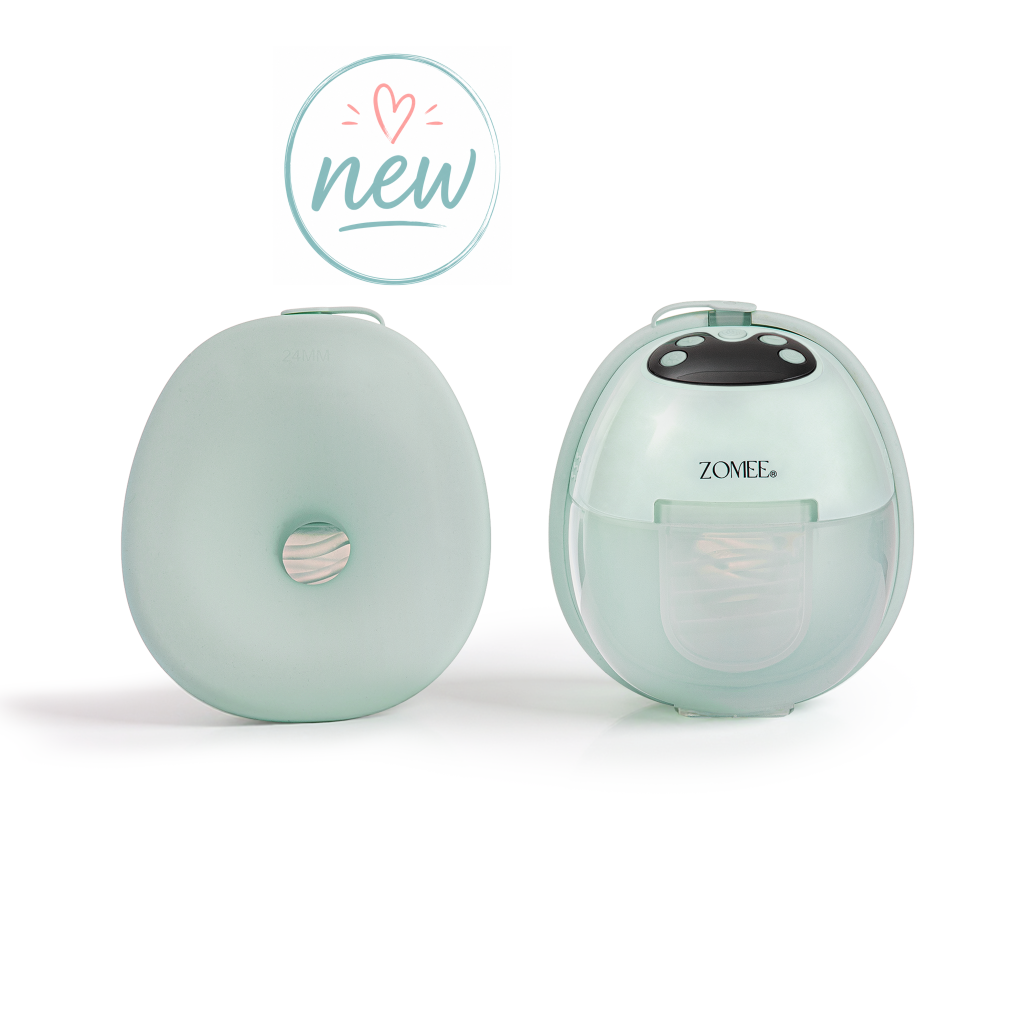
- Little time away from your desk or patients: a wearable pump sits in your bra, so you can pump while you answer email or drive between job sites. The Zomee W1 was built for work and errands, and it gently warms as you pump. The Elvie Stride is another favorite with working moms.
Keep a second set of pump parts at work if you can. We have had many moms come into our shop on their lunch break, in a panic because they left their parts at home. Many insurance plans cover replacement parts and supplies, so the spare set may be covered too.
- Zomee W1Cordless and hands-free in your bra, and it gently warms as you pump.Covered by most plans
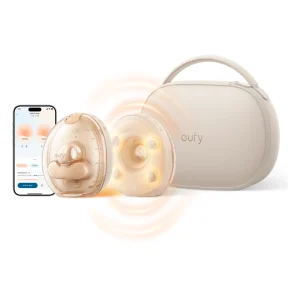
- eufy S2 ProWearable with built-in massage and warmth, plus a charging case.Covered by most plans
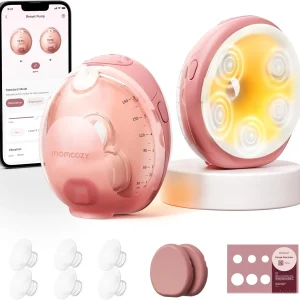
- Momcozy W1A warming wearable for the days your let-down is slow.Covered by most plans
4. Find a safe, private place to pump
You need somewhere private, comfortable, and clean, ideally with a chair, a table for your pump, and an outlet. An empty office or a small conference room works. A nursing cover can help when privacy is hard to find, and a wearable pump helps even more.
Know your rights. The federal PUMP for Nursing Mothers Act covers most employees, hourly and salaried, for one year after your baby’s birth. Your employer must give you:
- Reasonable break time to pump each time you need to.
- A place to pump that is shielded from view, free from intrusion, and not a bathroom.
Pumping breaks can be unpaid, unless you keep working while you pump or your employer already pays for short breaks. Employers with fewer than 50 employees can be exempt if the rules would cause undue hardship, and many states add protections of their own. The Office on Women’s Health lists federal and state breastfeeding laws.
5. Dress for easy pumping
Choose clothes you can pump in without undressing. Button-up shirts, wrap tops, or a tank under a cardigan all work well. A hands-free pumping bra holds your flanges in place so your hands stay free, and many are comfortable enough to wear all day. Keep a spare top at work in case of a leak.
6. Talk to your boss before you go back
Let your manager know ahead of time that you will need regular pumping breaks, and roughly when. A short conversation before your first day makes it routine instead of awkward. Block the times on your calendar so meetings do not land on top of them, and let coworkers know you will be unavailable for about 20 minutes at a time.
7. Book a lactation consultation
An International Board Certified Lactation Consultant (IBCLC) can help you build a pumping schedule around your job, check your flange fit, and troubleshoot a dip in supply. Most insurance plans cover lactation support, so reach out early. We offer virtual lactation consultations with our partners at Nest Collaborative.
What to pack in your work pump bag
- Your pump, charger, and two full sets of parts (flanges, valves, membranes, bottles or cups)
- Milk storage bags or bottles, plus labels or a marker
- A cooler bag with frozen ice packs
- Quick-clean wipes or a microwave steam bag for cleaning parts between sessions
- A hands-free pumping bra and a few nursing pads
- A photo or video of your baby, which can help your milk let down
- A water bottle and a snack
Questions moms ask about pumping at work
How often should I pump at work?
About as often as your baby eats while you are apart, which for most moms is every 3 to 4 hours. In an 8-hour workday that is usually two or three sessions of 15 to 20 minutes each.
Does my employer have to give me time to pump?
Yes, for most employees. The federal PUMP Act requires reasonable break time and a private space that is not a bathroom, for up to one year after your baby’s birth. Small employers with fewer than 50 employees can be exempt if it would cause undue hardship.
Are pumping breaks paid?
Not always. Federal law lets pumping breaks be unpaid, but if you are not fully relieved from work while you pump, or your employer already pays for short breaks, that time must be paid. Some states require more.
How long can pumped milk stay out at work?
Up to 4 hours at room temperature, up to 24 hours in an insulated cooler with frozen ice packs, and up to 4 days in a refrigerator, according to the CDC.
Will insurance cover a second set of pump parts for work?
Many plans cover replacement parts and supplies on a schedule. We can check your plan and ship covered parts with your pump or later as a resupply.
Sources